
Carbon monoxide is called the silent killer for good reason. You cannot see it, smell it, or taste it, and a faulty boiler or a blocked flue can release it into a home without any warning at all. A working alarm is often the only thing that alerts a family in time.
Under the carbon monoxide alarm regulations in Ireland, a compliant alarm is legally required whenever a new or replacement fuel-burning appliance is fitted, and in every new dwelling. Landlords must provide one wherever a gas, oil, or solid fuel appliance is present. For everyone else, fitting an alarm is strongly advised even where the law does not force it.
This guide sets out when an alarm is required, where to place it, which standard to look for, how long it lasts, and how to keep your home safe all year round.
What Are the Carbon Monoxide Alarm Regulations in Ireland?
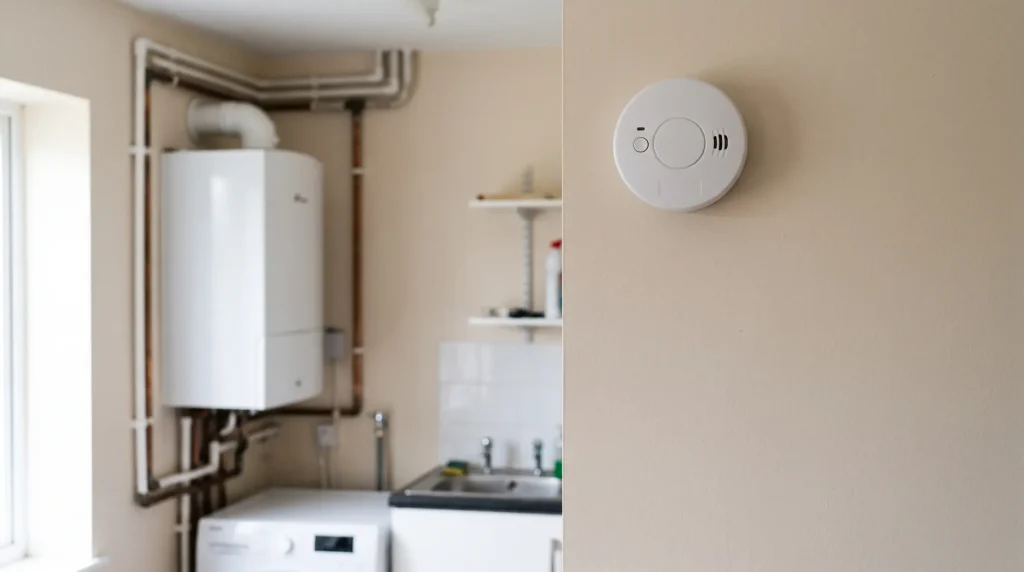
Irish law requires a carbon monoxide alarm whenever a new or replacement open-flued or flueless fuel-burning appliance is installed, and in all new dwellings. The requirement comes from Part J of the Building Regulations, amended by S.I. No. 133 of 2014, which took effect on 1 September 2014. It applies to appliances burning gas, oil, or solid fuel, but not to cookers.
The rules focus on detection wherever there is a real risk of a leak. That means the room holding the appliance, and any habitable room that a flue or chimney passes through. Alarms fitted to meet these rules must comply with the European Standard EN 50291 and be installed to the manufacturer’s instructions.
When Is a CO Alarm Legally Required?
An alarm is legally required in three main situations. Outside these, the law does not compel an existing homeowner to fit one, though doing so is one of the cheapest safety steps you can take.
- New dwellings that have any fuel-burning appliance other than a cooker
- Existing homes when an open-flued or flueless appliance is installed or replaced, such as a new boiler or stove
- Any habitable room where a system chimney or flue attached to an appliance passes within or over it
Do Homeowners and Landlords Have Different Duties?
Yes. Landlords have a clear legal duty, while owner-occupiers in an unchanged home are advised rather than obliged. Under the Housing (Standards for Rented Houses) Regulations, a landlord must provide a carbon monoxide alarm in any rented dwelling that contains a gas, oil, or solid fuel appliance, and keep it in working order.
Local authorities enforce these rules and can issue improvement or prohibition notices where a property falls short, so this is not a box to leave unticked. You can read the full detail in the minimum standards for rented accommodation published by the Department of Housing, which sets out what every rental must have.
Where Should You Place a Carbon Monoxide Alarm?
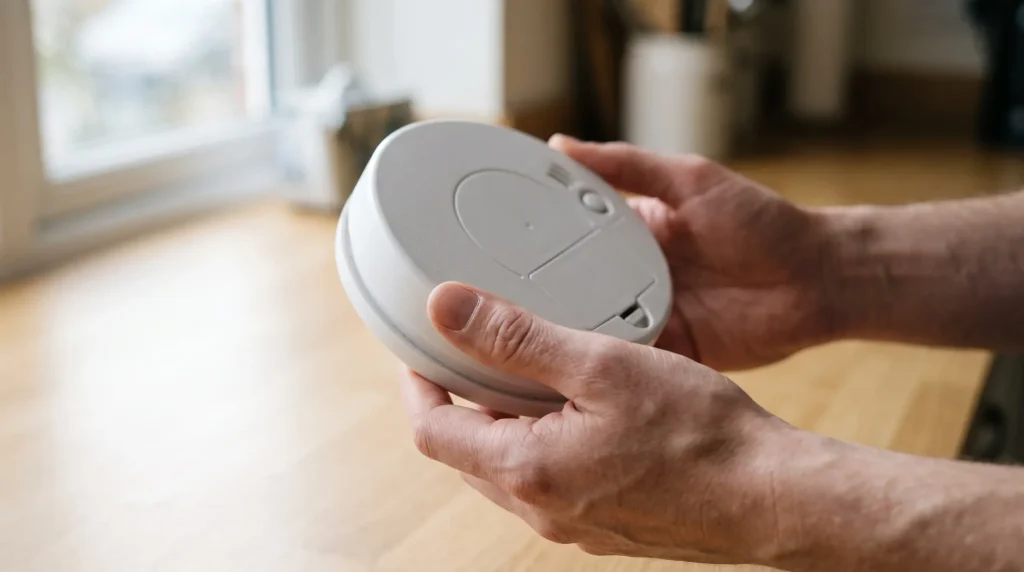
Fit a carbon monoxide alarm in every room that contains a fuel-burning appliance, and place one within 5 metres of each bedroom door along the corridor. Position it between 1 and 3 metres horizontally from the appliance, either high on a wall or on the ceiling, so it detects a leak quickly without nuisance triggering.
Under EN 50292 best practice, a ceiling-mounted alarm should sit at least 300mm from any wall. A wall-mounted alarm should go as high as possible, above doors and windows, but not within 150mm of the ceiling. Leave roughly 300mm of clear space around it so airflow to the sensor is not blocked.
Rooms and spots to prioritise:
- Any room with a boiler, stove, open fire, or gas fire
- A spot within 5 metres of every bedroom so it can wake a sleeper
- Any room a flue or chimney runs through, including where a hidden flue passes overhead
Just as important is knowing where not to fit one. Poor positioning is a common reason an alarm fails to do its job.
- Directly above or beside the appliance, where brief emissions during normal use can set it off
- In damp or enclosed spots such as behind curtains, inside cupboards, or above a sink
- Beside windows, doors, extractor fans, or air vents, where draughts sweep the gas away before it reaches the sensor
If any of this feels uncertain, a qualified installer can position and fit your alarms correctly and confirm how many your home needs, which takes the guesswork out of getting it right.
Which Carbon Monoxide Alarm Should You Buy?
Choose an audible carbon monoxide alarm that carries the CE mark and meets EN 50291, with an end-of-life indicator and an independent test mark such as a Kitemark. A visual-only indicator is no use to someone asleep. Basic compliant models usually cost between €20 and €30 in hardware and DIY shops.
The difference between a reliable alarm and a dangerous one is easy to spot on the packaging once you know what matters.
| Buy an alarm that | Avoid an alarm that |
| Carries the CE mark and states EN 50291 | Lists no CE mark or European standard |
| Sounds loudly, not just a flashing light | Only gives a visual warning |
| Has an audible end-of-life indicator | Gives no expiry or replacement warning |
| Shows a Kitemark or similar independent test mark | Is unbranded with no certification |
How Long Do Carbon Monoxide Alarms Last?
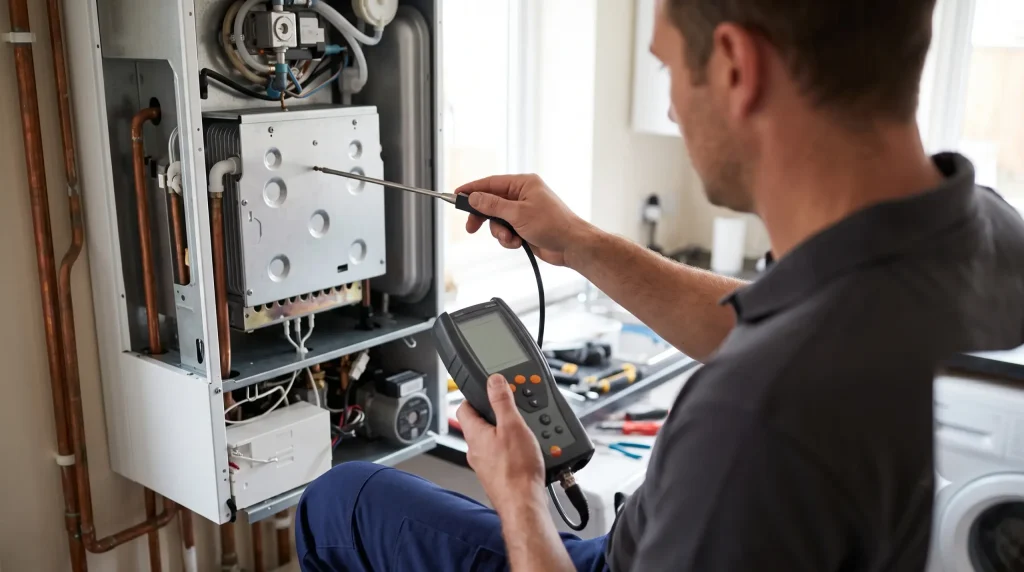
Most carbon monoxide alarms last between 5 and 10 years, depending on the make and model. The electrochemical sensor inside degrades over time, so an alarm past its expiry date can fail to detect a leak even if it still beeps when you press the test button. Check the printed date and replace it before that date passes.
Cheap, uncertified alarms are a real hazard. A long list of models sold across Europe has been recalled through the EU safety alert system for failing to detect carbon monoxide or not meeting EN 50291. Spending a few euro more on a certified alarm from a reputable retailer is money well spent.
Keeping an alarm reliable takes very little effort:
- Test it monthly by holding the test button until it sounds
- Wipe it with a damp cloth only, with no cleaning agents or polishes
- Keep aerosols and air fresheners away from it, as sprays can affect the sensor
- Replace it straight away if it fails to sound or shows a fault when tested
An alarm with an audible end-of-life warning makes this easy, since it tells you when its working life is up rather than leaving you to check a date on the casing.
How to Reduce the Risk of Carbon Monoxide at Home
An alarm is your last line of defence. The first line is having appliances installed and serviced correctly. The safest homes combine a compliant alarm with appliances checked every year by a qualified professional, clear vents and chimneys, and someone who knows the warning signs.
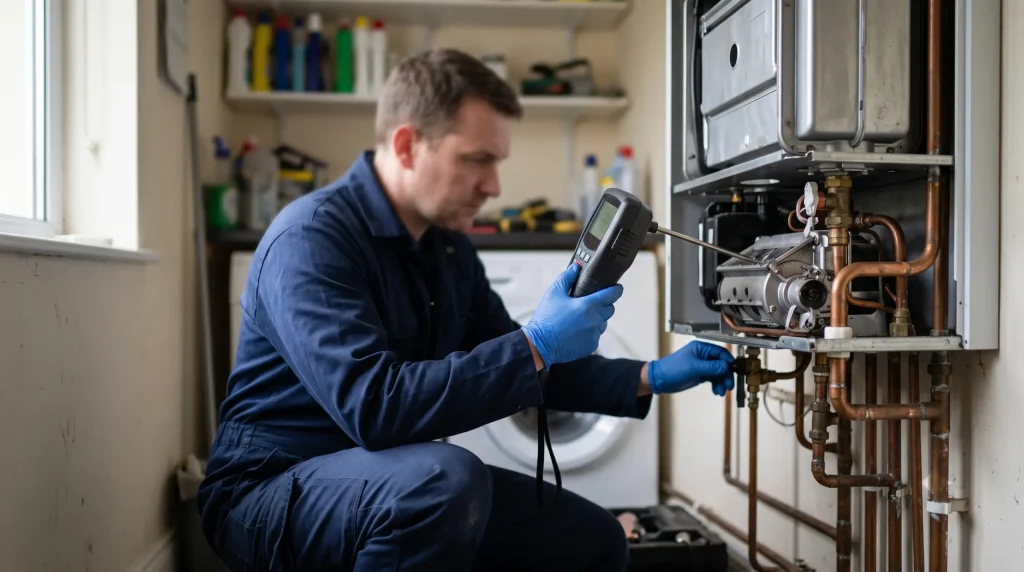
For gas appliances, book a yearly gas boiler service with a Registered Gas Installer, who uses flue gas analysis to confirm the appliance is burning cleanly and safely. This yearly check often catches a developing fault long before it becomes dangerous.
Oil boilers and solid fuel stoves produce carbon monoxide too when they burn incompletely, so book an annual oil boiler service for those systems and have chimneys swept regularly.
Hidden flues deserve special mention. In some homes a flue runs for a long distance behind ceiling or wall panels, and if it works loose the leak stays out of sight. Irish Standards now require access panels and alarms where hidden flues run, and a qualified professional will tell you if your property needs this.
Warning Signs and Symptoms to Watch For
Carbon monoxide leaves clues around an appliance and inside your body. Spotting either early can prevent serious harm, so it pays to know both.
Signs around the home include:
- Black staining, sooting, or discolouring around an appliance
- A yellow or orange flame on a gas appliance that should burn blue
- More condensation than usual on windows or walls when an appliance is on
- A strange smell when an appliance runs, since other fumes may be present even though CO itself has none
Symptoms of poisoning often mimic the flu, which is why they are missed. Watch for headaches, drowsiness, nausea, dizziness, chest pains, and general lethargy. A strong clue is symptoms that ease when you leave the house, or that affect several people and pets at once.
What to Do If Your Alarm Goes Off
Treat every sounding alarm as real. Act quickly and in this order rather than stopping to investigate the appliance yourself.
- Open doors and windows to ventilate the area
- Turn off any fuel-burning appliances straight away
- Get everyone out into fresh air
- Call a qualified service agent to check the appliances before you use them again
- If you are worried or feel unwell, call the national Carbon Monoxide Awareness Line on 1800 89 89 89 and seek medical help
Staying Safe from Carbon Monoxide
The rules can feel fiddly, but the core message is simple. Fit certified alarms in the right rooms, keep them in date, and have your appliances serviced every year by someone qualified to spot a problem before it becomes dangerous.
If you are unsure whether your home meets the current rules, or where your alarms should sit, it is worth having a professional look. You can arrange a visit with a registered installer to check your appliances, advise on hidden flues, and fit compliant alarms in the correct spots.
For a fuller picture of home carbon monoxide safety, the national carbon monoxide advice from Gas Networks Ireland is a reliable place to start.