
Most gas boilers last between 10 and 15 years with proper servicing. Push past that and you start seeing more breakdowns, higher bills, and parts that get harder to source. The exact number depends on the make, how hard the boiler works, and whether it’s been serviced every year.
If your boiler is creeping towards that upper range, or you’re getting nervous about odd noises and rising heating costs, this guide walks you through it. We’ll cover the real lifespan, the warning signs that matter, and how to decide between one more repair or a full replacement.
The short version is this. A well-maintained boiler in a typical Dublin home should give you a solid 12 years or so. Once it hits 15 and starts costing you in repairs, replacement usually makes more sense than throwing good money after bad.
How Many Years Does a Gas Boiler Typically Last?
A gas boiler in Ireland typically lasts 10 to 15 years. Modern condensing boilers sit at the higher end when serviced annually, while an older or neglected unit can start failing around the 8 to 10 year mark. Lifespan comes down to build quality, usage, water quality, and regular maintenance.
Not every boiler ages the same way. A few things move the number up or down.
- Annual servicing keeps efficiency high and catches small faults early, adding years to the lifespan.
- Hard water and heating sludge build up inside the system and wear parts out faster.
- A boiler that heats a large family home works harder than one in a small flat.
- Cheaper models tend to fail sooner than premium units with better parts.
The single biggest factor is the annual service. A boiler that’s serviced every year using flue gas analysis will nearly always outlast one that’s ignored until it breaks. Skipping the service also risks voiding your manufacturer warranty.
What Are the Signs Your Gas Boiler Needs Replacing?
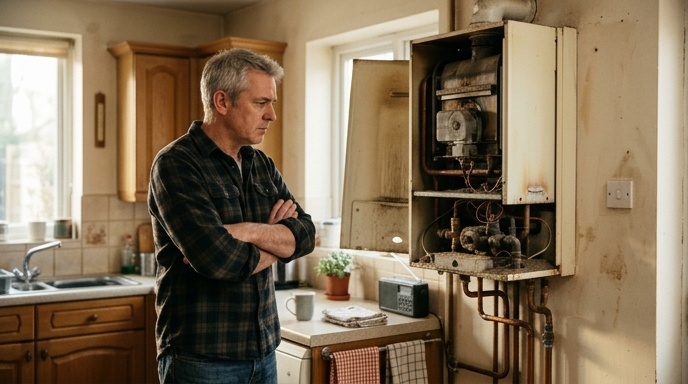
The clearest signs a gas boiler needs replacing are frequent breakdowns, rising heating bills, an ageing unit over 12 years old, and hard-to-find replacement parts. When repairs start stacking up and the boiler struggles to hold temperature, you’ve usually passed the point where fixing it is worth the money.
Keep an eye out for these warning signs.
- Rising heating bills even though your usage hasn’t changed, a sign efficiency has dropped.
- Repeated breakdowns, especially in the middle of winter when you need heat most.
- Yellow flame instead of a crisp blue one, which can point to incomplete combustion.
- Strange banging, gurgling, or whistling noises from the unit.
- Radiators taking far longer to warm up than they used to.
- A boiler over 12 years old where parts are getting scarce.
One sign you should never ignore is any smell of gas or a suspicion of a leak. If you smell gas, shut off the supply, open windows, and call an emergency line. Booking a professional gas leak detection service is the safe way to diagnose and fix the fault properly.
When Carbon Monoxide Is a Concern
A failing gas boiler can leak carbon monoxide, a colourless, odourless gas that’s genuinely dangerous. Warning signs include a lazy yellow flame, dark staining around the boiler, excess condensation on windows, and headaches or drowsiness when the heating is on.
Fit a working carbon monoxide alarm near the boiler and test it regularly. If your detector sounds or you feel unwell, get everyone out, ventilate the room, and call for help. The Health and Safety Authority publishes clear official guidance on gas safety in the home that’s worth a read.
Should You Repair or Replace an Old Boiler?
Repair a boiler when it’s under 10 years old and the fault is a one-off. Replace it when the unit is over 12 years old, breaks down repeatedly, or a single repair costs a large chunk of a new boiler’s price. A common rule of thumb is that if the repair costs more than half a new boiler, replacement wins.
Work through these questions before deciding.
- How old is the boiler? Under 10 years usually favours repair.
- How many breakdowns have you had in the last two years?
- What does the quoted repair cost compared to a new install?
- Are replacement parts still made, or are they getting hard to find?
- Has your heating bill crept up noticeably?
A new energy-efficient boiler can cut running costs and stop the drip-feed of repair bills. If you’re weighing up a full swap, our gas boiler replacement service covers labour, pipework, valves, insulation, and all the legal materials in one clear quote.
Does a New Boiler Save Money?
Yes, a new boiler usually saves money over time. Modern condensing boilers run at much higher efficiency than a 15-year-old unit, so more of your fuel turns into heat rather than escaping up the flue. Over a full heating season, that efficiency gain shows up as lower gas bills.
An old boiler running at reduced efficiency can waste a real slice of every unit of gas you buy. Swapping it for a modern condensing model reduces that waste, and you also stop paying for repeated repairs on a tired unit. The savings won’t clear the cost overnight, but they add up steadily.
How to Make Your Gas Boiler Last Longer
The best way to extend a gas boiler’s life is an annual service by an RGI registered installer, keeping the system water clean, and dealing with small faults before they grow. Consistent maintenance keeps efficiency high, protects your warranty, and catches problems while they’re still cheap to fix.
A few habits make a real difference.
- Book an annual gas boiler service, ideally in autumn before the heating season.
- Keep the system pressure in the correct range and top it up if it drops.
- Consider a power flush if radiators have cold spots or the system is sluggish with sludge.
- Bleed radiators when they’re warm at the bottom but cold at the top.
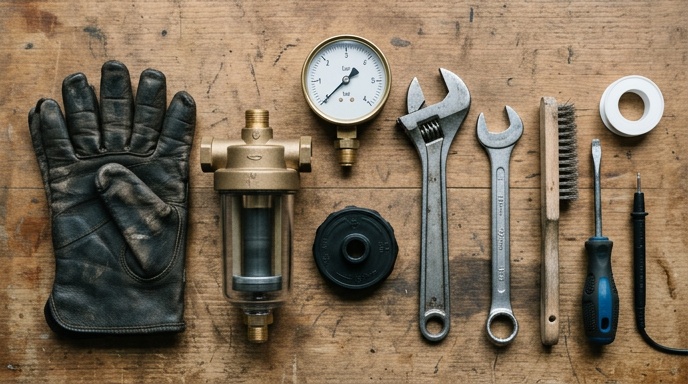
- Fit a magnetic filter to trap sludge before it damages the boiler.
Booking your service every year is the cheapest insurance going. It keeps the boiler safe, keeps the warranty valid, and gives your installer a chance to spot wear early. Landlords should also remember that a valid gas safety certificate is a legal duty, and the tenancy obligations for rented homes spell out what’s expected around safe heating.
Which Boiler Type Should You Replace With?
Most Dublin homes replace an old gas boiler with a modern high-efficiency condensing gas boiler, though electric boilers and heat pumps are alternatives worth considering. The right choice depends on your home size, existing pipework, budget, and whether you want to move away from gas long term.
Here’s how the common options compare.
- Condensing gas boiler, the standard like-for-like upgrade with high efficiency and lower install cost.
- Electric boiler, a good fit where there’s no gas connection or space is tight, with no flue needed.
- Heat pump, the long-term low-carbon option, though it usually suits well-insulated homes and needs more planning.
If you’re staying with gas, a condensing boiler is the simplest and most cost-effective swap for most homes. Where gas isn’t practical, an electric boiler can be a clean, compact alternative. A qualified installer will assess your home and recommend the right fit rather than pushing one option for all.
Making the Right Call for Your Home
A gas boiler that’s well looked after should serve you comfortably for a dozen years or more. Once it passes the 12 to 15 year mark and repairs start piling up, replacing it is usually the smarter, safer, and cheaper choice over time.
If your boiler is showing its age or you just want an honest opinion on repair versus replace, get in touch with our team for a clear, no-pressure quote tailored to your home.