
A plumbing system does a huge amount of work in the background, and most homeowners only think about it when something goes wrong. A leaking radiator, a dripping tap, or a boiler that refuses to fire on a cold morning are usually the first signs that regular maintenance has been skipped for too long.
So how often should you service your plumbing system? For most Irish homes, a full plumbing check every 12 months alongside your annual boiler service is the sweet spot. Older properties, rentals, and homes with hard water may need attention every 6 to 9 months to keep everything running safely and efficiently.
Below we break down the recommended intervals, what a proper service actually covers, and the red flags that mean you should pick up the phone sooner rather than later.
How Often Should a Plumbing System Be Serviced in Ireland?
The general rule for Irish homes is a full plumbing service once every 12 months, ideally in autumn before the heating season kicks in. Gas and oil boilers are legally and practically tied to that annual schedule, and the wider plumbing system benefits from being checked at the same time.
That said, the right interval depends on the age of your pipework, the water quality in your area, and how the system is used.
- Modern homes (under 10 years old) — every 12 months is usually enough.
- Older homes with copper or lead-jointed pipework — every 6 to 9 months to catch corrosion early.
- Rental properties — annually at minimum, with an Annex E gas safety certificate required for gas systems.
- Homes with hard water — every 6 to 12 months to manage limescale in cylinders, showers, and heating coils.
- Commercial or high-use properties — every 6 months due to heavier daily loads.
If you have never had a full plumbing check and you’re in a house older than 15 years, treat the first visit as a health check. A qualified plumber can flag hidden issues before they turn into insurance claims.
What Does a Full Plumbing Service Include?
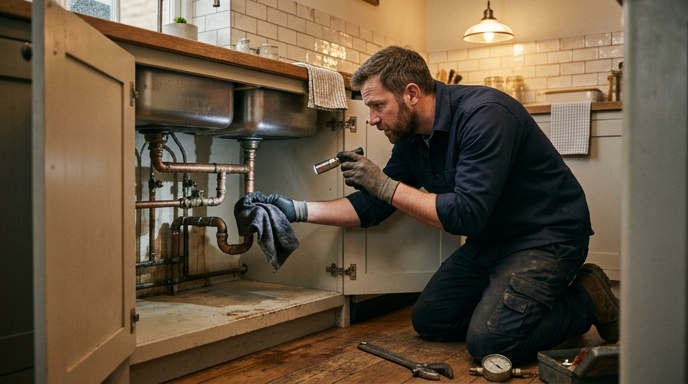
A full plumbing service is a top-to-bottom inspection of the pipes, appliances, and fittings that carry water and heating around your home. The plumber checks pressure, flow, joints, valves, and any signs of wear, then flushes or adjusts anything that isn’t performing correctly.
Boiler and Heating Checks
The boiler is the heart of the system, and it gets the most detailed attention during a service.
- Flue gas analysis to confirm safe combustion
- Carbon monoxide checks and alarm testing
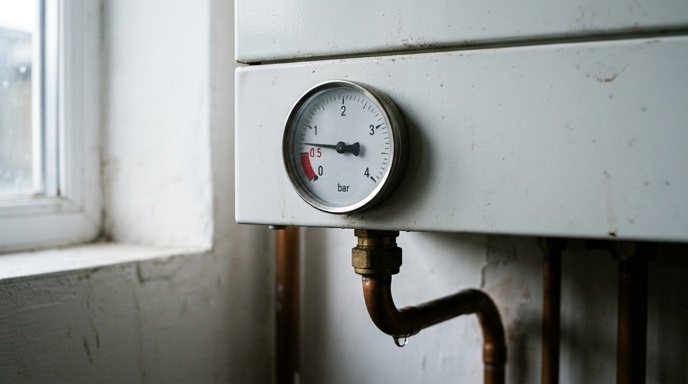
- System pressure and expansion vessel checks
- Radiator balancing and bleeding
- Inspection of the pump, valves, and thermostat
For gas boilers, this work must be carried out by an RGII registered gas installer. It’s not optional, and using anyone else is both illegal and unsafe.
Pipework and Water System Checks
The plumber also inspects the wider water system for slow leaks, corrosion, and pressure problems.
- Visible pipework inspected for damp patches, green staining, or joint weeps
- Stopcocks and isolation valves tested for full operation
- Hot water cylinder checked for insulation, sludge, and thermostat function
- Taps, mixers, and shower valves checked for drips and pressure balance
- Waste pipes and traps tested for slow drainage
Why Annual Servicing Matters More Than People Think
Regular servicing saves money, protects your home, and keeps your family safe. A neglected system doesn’t just cost more to run, it also fails at the worst possible times, usually on the coldest weekend of the year when callout rates are highest.
Here’s what a yearly service actually protects against.
- Carbon monoxide risk — a badly tuned gas boiler can leak CO without any smell or warning.
- Burst pipes — corroded joints and weak valves fail suddenly, often behind walls or under floors.
- Higher energy bills — a system full of sludge or air can push heating costs up by 15 to 25 per cent.
- Voided warranties — most boiler manufacturers require proof of annual servicing to honour a warranty claim.
- Insurance disputes — home insurance policies often exclude damage linked to poor maintenance.
If you’ve noticed radiators taking ages to warm up, or the boiler cycling on and off, the system is already telling you it needs attention. For a deeper look at what a full heating overhaul involves, our guide on heating system upgrades covers the process step by step.
Warning Signs You Should Book a Service Sooner
Between annual visits, your plumbing will usually tell you when it’s struggling. The trick is spotting the signs early, before a small issue turns into a flooded kitchen or a cold house in January.
Book a service straight away if you notice any of the following.
- A drop in boiler pressure that keeps needing to be topped up
- Radiators cold at the top or bottom, or noisy when heating
- Discoloured water from hot taps, especially rusty or cloudy
- A faint smell of gas near the boiler or meter, however small
- Damp patches on ceilings, walls, or floors near pipework
- Water hammering or banging noises when taps are turned off
- Slow drains in more than one sink, bath, or shower
A gas smell is always an emergency. Turn off the supply at the meter, open windows, and call Gas Networks Ireland’s 24 hour emergency line before ringing anyone else. Once the immediate risk is dealt with, a registered gas installer can trace and repair the fault safely.
How Servicing Differs for Landlords and Rental Properties
Landlords have stricter obligations than owner-occupiers when it comes to plumbing and heating. Under Irish law, any gas appliance in a rental property must be inspected and certified annually by an RGI, and records must be kept for tenants and inspectors.
Annex E Gas Safety Certificates
The Annex E certificate is the standard proof that a gas installation in a rental property has been checked and is safe to use. It covers the boiler, hob, and any other gas appliance, and it must be renewed every 12 months.
- Required for every tenanted property with gas appliances
- Must be issued by an RGI registered installer
- A copy should be given to the tenant and kept on file by the landlord
- Failure to hold a valid certificate can invalidate landlord insurance
Beyond Gas — Full Plumbing Checks for Rentals
Alongside the gas safety cert, a full plumbing check protects landlords from costly emergency callouts and tenant disputes. Slow leaks under sinks, failing shower pumps, and blocked waste pipes are the top three complaints in Dublin rentals, and all three are easy to catch during a routine service.
If you manage multiple properties, batching services together during the summer months keeps costs down and avoids the winter rush.
How to Get the Most From Every Plumbing Service
A little preparation makes a big difference to the value you get out of a service visit. Plumbers work faster and spot more when they can access the boiler, cylinder, and stopcock without moving furniture or boxes.
- Clear the space around the boiler and hot water cylinder before the visit
- Locate your main stopcock so it can be tested and demonstrated
- Write down any issues you’ve noticed since the last service, even small ones
- Keep previous service records handy so the plumber can spot patterns
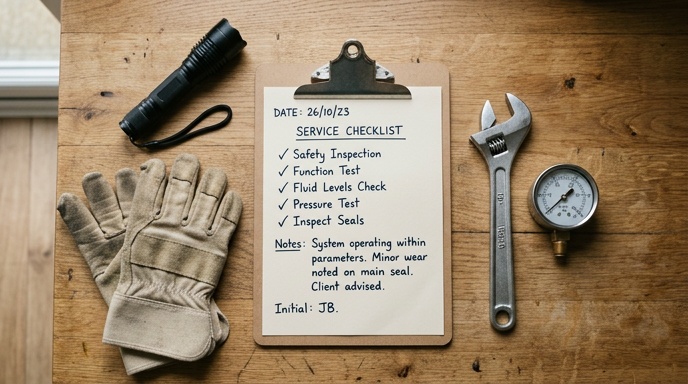
- Ask for a written report showing pressure readings, flue gas figures, and any recommendations
A good service should leave you with a clear picture of what’s working, what’s wearing, and what needs planning for. If your plumber can’t answer straight questions about system pressure or flue readings, that’s a sign to find someone who can.
Book Your Annual Plumbing Service
Sticking to a yearly service is one of the cheapest forms of home protection you’ll ever pay for. It keeps the heating efficient, the water safe, and the boiler covered under warranty, all for a fraction of what an emergency callout costs.
If your system is overdue, or you’ve spotted any of the warning signs above, get in touch for a quote and we’ll arrange a full inspection at a time that suits you.